I get that our brains release dopamine that keeps us interacting with social media. Cognitive neuroscientists and app developers get that our tech habits make us frequent neurological pathways that strengthen the connection between stimuli and reward. It sounds simple, bloodless, amoral. Thumbs flicking screens at breakneck pace merely indicate a chemical addiction.
But I don’t want to be reduced to an addict of this kind. Not when humanity is on the line — and by that, I mean the humanity of others, not just myself.
I opened up my newsfeed this week to see a post about a miscarriage in the delivery room — right above someone else’s post about a birth on the same day. I can’t scroll through that. These are my friends and these are their suffocated and cradled hopes.
A professor just successfully defended her doctoral dissertation via videoconference. A missionary is struggling to keep her calling alive, asking churches if they’ll video her in for their online service.
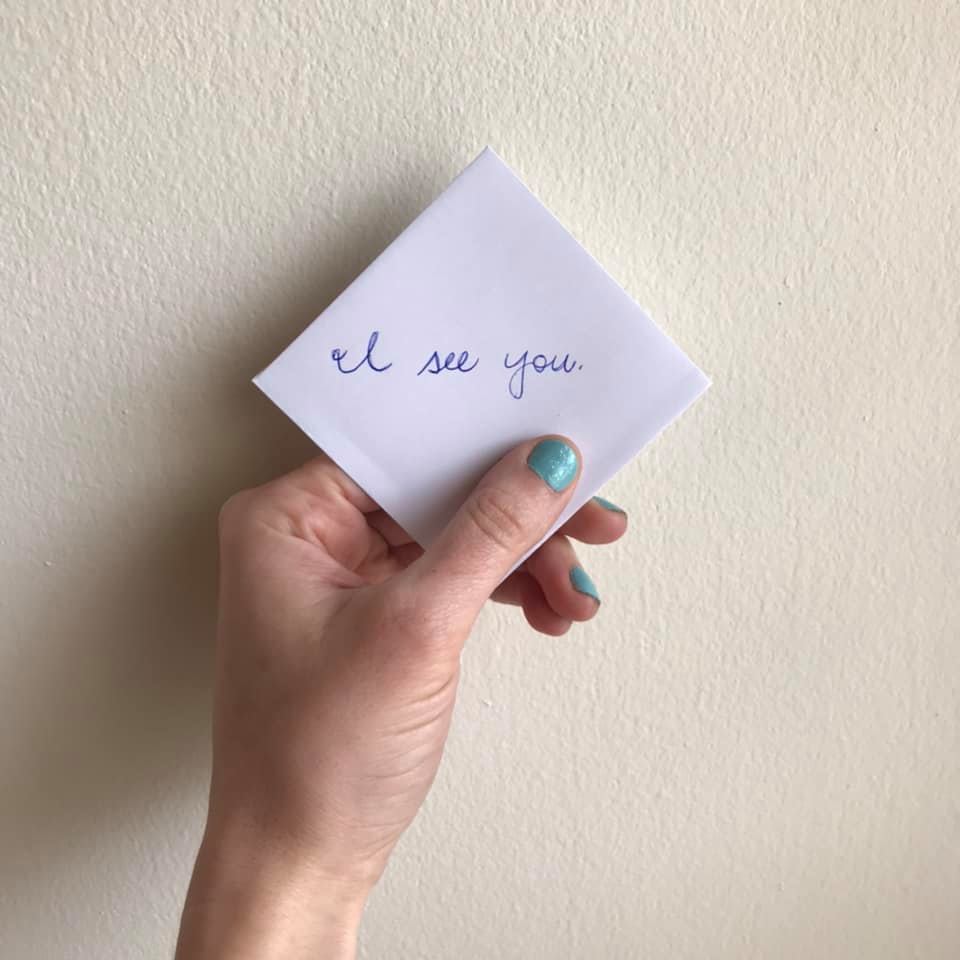
I write this post to stop the scroll and say that I see you. I see you trying to shoulder your same responsibilities in your new normal. I see you making the most of what’s been handed to you. I see you grieving your missed milestones — and I grieve with you.
I see the high school senior who doesn’t get to walk across a stage in cap and gown.
I see the bivocational pastor who was just laid off from his “non-essential” job.
I see the mom who’s gone to the hospital four times in a week only to risk viral exposure and be sent home with no answers.
I see the extrovert with a birthday and no one to hug.
I see the music professors struggling through the near impossibility of distance learning.
I see the survivor of chronic illness facing a shortage in necessary medications.
I’ve stopped scrolling and I see you. I see your world convulsing. We share the same earth, so mine is, too. As is true for the next person, and the next…
We are in this together. Social media is just that — a social endeavor (one for which, now more than ever, I am very grateful).